
Stay Inspired with Instagram



Blogs
We don’t sell channels. We design growth systems. Where traffic, trust, and conversion work as one.
Heading Title
SEO
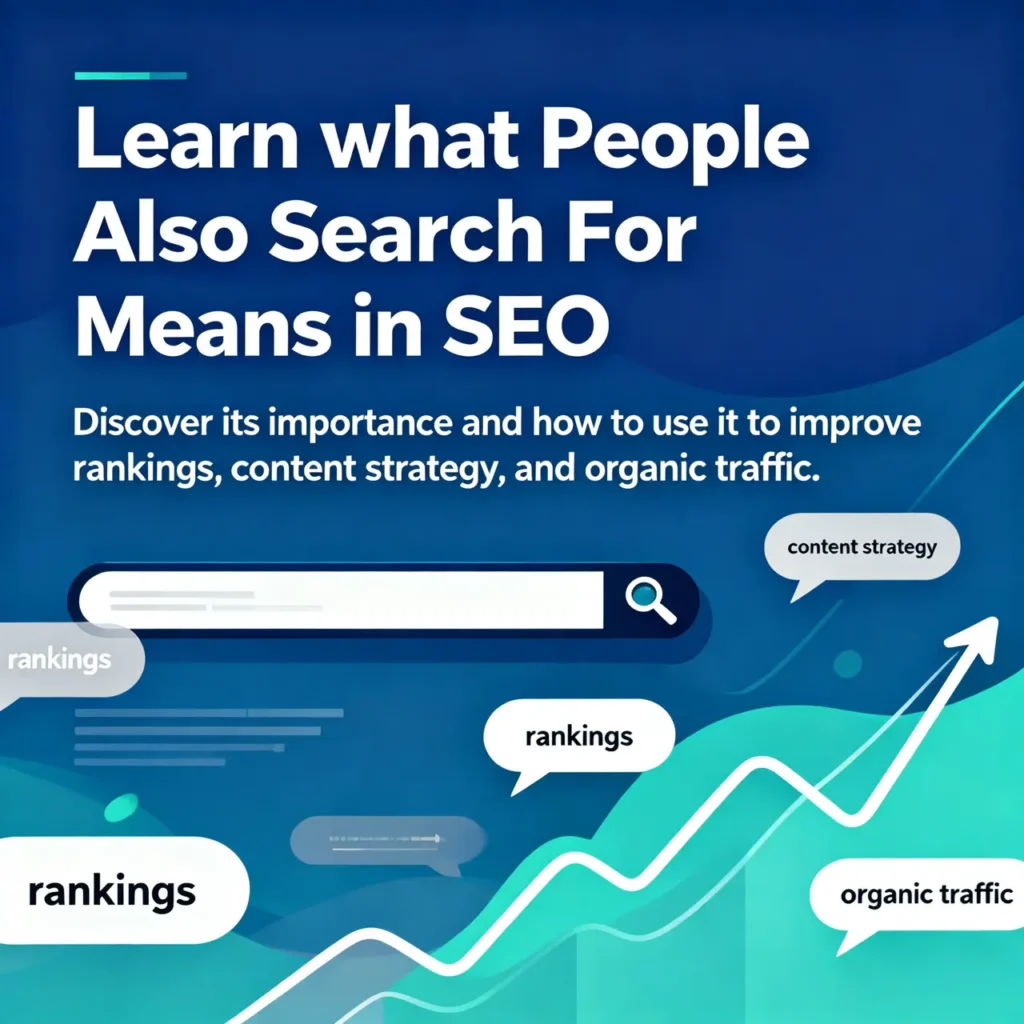
People Also Search For: Meaning, Importance & Strategy for SEO
Search behaviour has evolved far beyond simple keyword matching. Today, search engines try to understand intent, context, and related queries to deliver more accurate results. One of the most interesting features that reveals this behaviour is “People Also Search For” (PASF) in Google search results. The People also search feature at Google appears when users tap a search result and then returns to the search page very quickly. Google will then propose related queries to the initial search, thereby helping the user narrow down what s/he wants. As a marketer and an SEO expert, I find this feature an insightful tool that offers clear insights into actual user intent, search trends, and keyword opportunities. Learning SEO strategy may enable businesses to identify hidden keyword opportunities, enhance content relevance, and align more closely with user expectations. PASF is part of our SEO research at MetaLogic Digital, where we identify search-intent layers and craft content strategies that mirror how people search in practice. In this guide, we will explore the meaning of People Also Search For, its importance in SEO, and how businesses can strategically optimise content to benefit from PASF suggestions.
SEO
Best PPC Platforms for 2026: Top Tools & Advertising Networks
Paid advertising in 2026 is no longer about choosing one channel and allocating the entire budget to it. The landscape of paid search platforms 2026 has evolved into a highly technical, data-driven ecosystem where automation, audience intelligence, and cross-platform attribution determine success. Businesses that understand how to select and combine the best PPC platforms 2026 are outperforming competitors in lead acquisition, customer retention, and revenue growth. The difference is not just in ad spend; it is in strategy, tracking infrastructure, and platform alignment. At MetaLogic Digital, we engineer multi-channel PPC systems that integrate search intent, behavioural targeting, and advanced analytics. This PPC platforms guide 2026 explores the top PPC advertising platforms, compares their strengths, and explains how to choose the right advertising networks for scalable business growth.
SEO
Local SEO for Small Business (2026 Success Guide)
Local SEO of small businesses in 2026 will not be confined to placement in conventional search engines. AI-powered search engines, voice assistants, map applications, and generative search results enable customers to find businesses today. If your business does not appear in AI-based search summaries, Google’s local pack, or conversational search responses, your competitors are capturing that demand. Small business local SEO now requires optimisation for AEO (Answer Engine Optimisation), GEO (Generative Engine Optimisation), and AI-based search visibility. At MetaLogic Digital, we implement advanced AI tools, predictive analytics, and structured data strategies to ensure local brands appear not only in search rankings but also inside AI-generated answers. This guide explains the exact technical requirements and strategies necessary to succeed in local search optimisation in 2026.

SEO
How to Find Trending Topics
Finding trending topics should not be equated with chasing virality or repeating what everyone else is posting. It is more about identifying demand early, understanding the drivers of rising interest, and producing content just as the topic is about to become oversaturated. Trending topics cannot be identified by guessing or scrolling endlessly through social media. This is revealed by organised research, pattern recognition, and validation. This blog describes how to identify trending topics, assess their worth, and turn initial insights into content that can be developed and succeed. At MetaLogic Digital, we realise the significance of timely insights and data-driven strategies. It is a practical guide for marketers, SEO teams, founders, and strategists who want to avoid guesswork and achieve repeatable results.

SEO
The Ultimate SEO Website Migration Checklist
A website migration is one of the highest-risk technical SEO projects a business can undertake, and when handled incorrectly, the damage is immediate and measurable. A website migration can unlock faster performance, stronger branding, and a better user experience, but a single misstep can wipe out years of organic growth overnight. Rankings drop. Traffic disappears. Leads dry up. And recovery becomes slow and expensive. That is why SEO must sit at the centre of every migration decision. Whether you are redesigning your website, changing your CMS, moving to a new domain, or restructuring URLs, this SEO website migration checklist will help you protect rankings, preserve authority, and build a stronger foundation for future growth. A successful migration requires detailed URL mapping, 301 redirect logic, crawl budget management, indexation control, canonical validation, internal linking preservation, and server-side performance optimisation. This guide breaks down technical SEO migration steps, content handling, redirects, analytics, and post-launch fixes-exactly how experienced SEO teams approach migrations in 2026. At MetaLogic Digital, migrations are conducted through pre-launch auditing, staging environment testing, log file analysis, and post-launch live monitoring to ensure zero data loss and minimal volatility. The Ultimate SEO Website Migration Checklist is designed to help businesses migrate with control, clarity, and technical confidence-protecting organic visibility while setting the stage for long-term SEO growth.
SEO
How to Rank in ChatGPT Search: Core Ranking Factors for SearchGPT SEO
Search is evolving – and it is changing forever. Saying goodbye to typing in fragments of keywords in search bars, people are not clicking ten blue links anymore. They are posing complete questions, requesting straight answers, and relying on AI-based search engines such as ChatGPT to inform actual decisions. This shift has introduced a new discipline: SEO for AI search. If traditional SEO was about ranking pages, ChatGPT SEO is about becoming the answer. At MetaLogic Digital, we’ve been actively adapting SEO strategies for this new reality- where visibility depends on clarity, authority, and how well your content helps AI systems understand and trust your expertise. This guide explains how to rank in ChatGPT search, what AI search engines actually look for, and how to structure content so it is cited, referenced, and surfaced in conversational AI results. No speculation. No hype. Just what actually works – and what MetaLogic Digital is already implementing for future-ready brands.

SEO
Top Free Ahrefs Alternatives: Best SEO Tools Like Ahrefs in 2026
Ahrefs has earned its reputation as one of the most powerful SEO tools in the world. From deep backlink analysis to advanced keyword research, it has long been the go-to platform for SEO professionals. But there’s one major drawback: cost. In 2026, businesses, freelancers, and small agencies are no longer asking “Is Ahrefs good?” They are questioning, can I really make it in the world of SEO without Ahrefs? The honest answer: No. The SEO environment has changed. Some free and low-priced Ahrefs alternatives now provide substantial value, particularly in keyword research, backlink monitoring, site audit and performance monitoring. This guide is recommended for those with a small budget who can still deliver professional-level insights on SEO. Let’s explore the best free Ahrefs alternatives and SEO tools for 2026, how they compare, and how to choose the right one for your goals.
SEO
The Complete SEO Checklist for Beginners & Pros (Step-by-Step Guide)
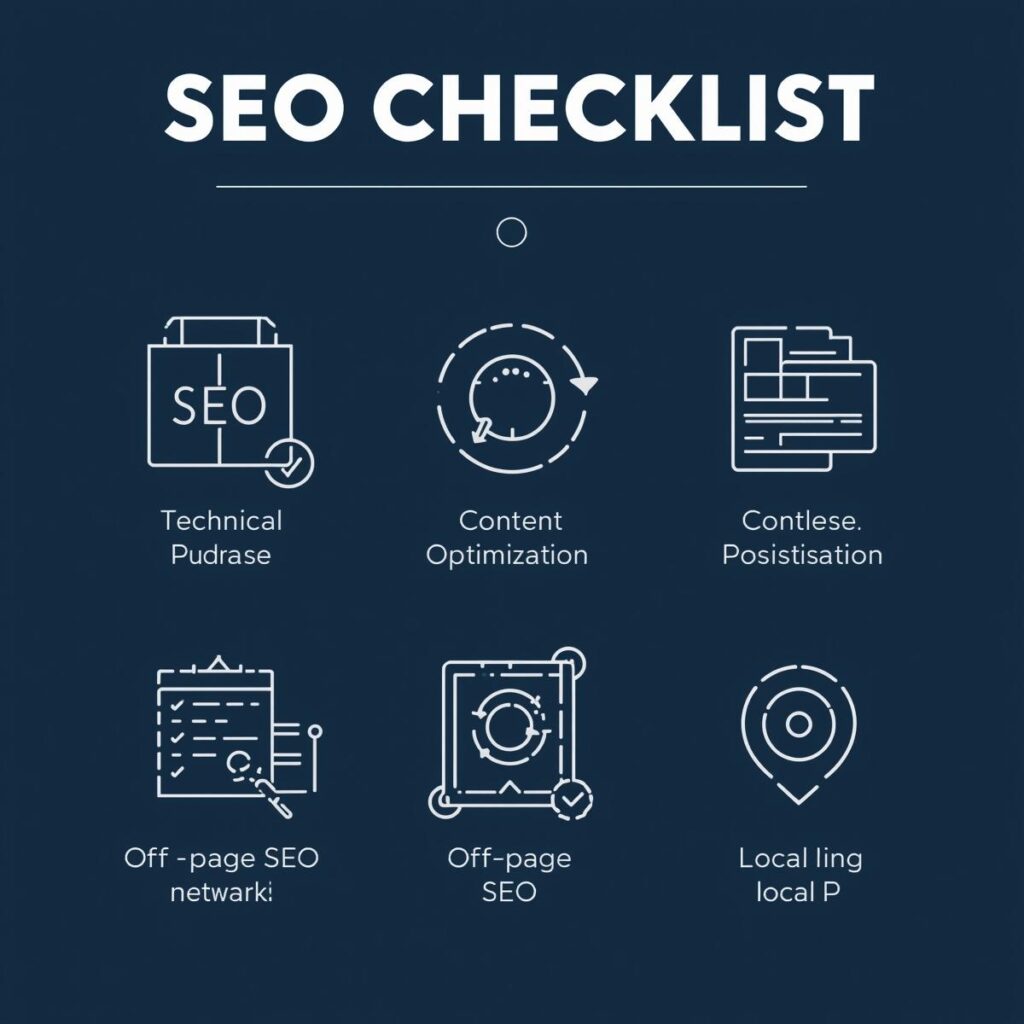
In the digital-first era, search engines have become the pulse of online discovery. Whether you are a novice or an established professional, SEO (Search Engine Optimisation) is what will make the difference between being blended into background noise and being discovered by the right audience. The fact is that SEO does not consist solely of scattering key phrases throughout the content. It is an organised approach with technical activities in SEO, including on-page optimisation, content optimisation, and performance monitoring. Even with a knowledge base, some steps can be overlooked unless there is a clear roadmap to follow. That’s why a step-by-step SEO checklist is essential—helping you stay consistent, improve rankings, and generate long-term traffic growth. This blog breaks down a comprehensive SEO checklist—from technical foundations to content execution—that works for both beginners and professionals. To demonstrate its power in action, we’ll share a real case study where MetaLogic Digital helped a South Indian jewellery brand achieve a 72% increase in organic traffic through strategic SEO execution.

Marketing
How to Build a 360° Marketing Strategy That Works
In today’s always-on world, no innovative business puts all its faith in just one marketing road. Shoppers meet brands on social feeds, websites, emails, store aisles, mobile apps-you name it. A 360 approach keeps every message steady, linked, and focused on what customers want at every stop. In this post, we’ll guide you through building a comprehensive 360-degree plan by blending integrated tactics, omnichannel journeys, and cohesive brand language. From the first sketch to clear ROI numbers, you’ll pick up data-driven tricks that keep results coming long after the launch.

Media Buying
How to Launch a Social Media Campaign: A Step-by-Step Guide with Current Trends
A social media campaign does not only involve posting something on social media platforms, but it is a strategy, being creative and establishing real relationships. Eye-catching Reels and quizzes are only the beginning, and the right tactic will help you strike a conversation and build your brand. In this step-by-step guide, MetaLogic Digital walks you through planning, execution, and measuring success, so you can boost visibility, engage your audience, and create campaigns that truly make an impact.

Marketing
Effective Strategies for LinkedIn Marketing in B2B Industries
Discover future-oriented LinkedIn marketing plans that can assist businesses to flourish in an AI-driven and data-based world. Explore how to use advanced analytics, predictive targeting, and AI-driven insights to define high-value audiences, develop hyper-relevant content, and optimise campaigns with the best engagement. Examine successful examples of real-life B2B campaigns and grasp the trend of short-form video dominance, employee advocacy dashboards, and understand how businesses can generate qualified leads and establish thought leadership and longevity on LinkedIn with the help of MetaLogic Digital.
Ads
Google Ads vs Meta Ads: Which Platform Powers Your Strategy?
Unsure which one is better, Google Ads or Meta Ads? The easy fact is that Google attracts people who actively search, whereas Meta creates interest and interaction by means of social relationships. MetaLogic Digital assists in the pursuit of leveraging the strength of the two platforms, developing a marketing strategy that reaches the correct audience at the proper time. Your campaigns do not run with us; they perform and give more brilliant results and actual growth.
Marketing
10 Best Digital Marketing Automation Tools to Skyrocket ROI
Automated cross-channel campaign management, intelligent workflows, predictive lead scoring, and artificial intelligence are enhancing the way businesses connect, engage, and grow. This is where digital marketing automation is headed.. MetaLogic Digital assists brands in leveraging cutting-edge technologies to optimise audience targeting, deliver hyper-personalised experiences, and maximise ROI. Discover the latest trends, applications, and innovative approaches that will keep your brand ahead in a rapidly evolving, data-driven digital landscape.

Marketing
Maximise Your Marketing Impact with Smart Content Repurposing 10 Benefits Listed
Repurposing content is an essential part of any brand’s engine. One blog is no longer just published; it is now turned into interactive videos, AI-personalised podcasts and data-led infographics to reach a wide variety of channels. Reuse maximises the reach, enhances the brand visibility, and provides more ROI. In the current changing digital world, MetaLogic Digital assists companies to accomplish this through AI-powered repurposing solutions that can ensure content works harder, lives longer, and engages more.
SEO
Best SEO Tools for B2B for 2026: Driving Authority, Visibility, and Revenue
Learn the best SEO tools that will define B2B marketing in 2026. Get to know the trends, life examples, and sector understanding that will maximise content to generative engines, advance AI-powered keyword search, and guarantee competitive presence. See how major B2B brands will use these platforms to build authority, create qualified leads and increase their presence online. See how MetaLogic Digital will help businesses transform search into measurable, sustainable growth with smarter, more innovative SEO strategies.
SEO
Generative Engine Optimisation (GEO): Redefining Search for 2026
Generative Engine Optimisation (GEO) is revolutionising the way brands show up in AI-driven search results. With the rising popularity of generative engines as the new way to find instant answers, companies need to change their approaches to keep things visible, credible, and relevant. Discover time-tested approaches to GEO, the trends that are emerging, and practical examples of successful brands in this field in the upcoming year. Discover how MetaLogic Digital enables businesses to establish themselves as the trusted source for generative engines, fostering visibility, authority, and measurable growth.

Investment
YouTube Shorts vs Instagram Reels: The Complete Brand Guide
Discover the key differences between YouTube Shorts and Instagram Reels, and how each is shaping the future of short-form video. MetaLogic Digital discusses its peculiarities, the ways of interaction with the audience, and monetisation prospects. Familiarise yourself with how both platforms can be utilised to have your brand reach more people, establish better relationships, and ignite conversions into conversions.
Marketing
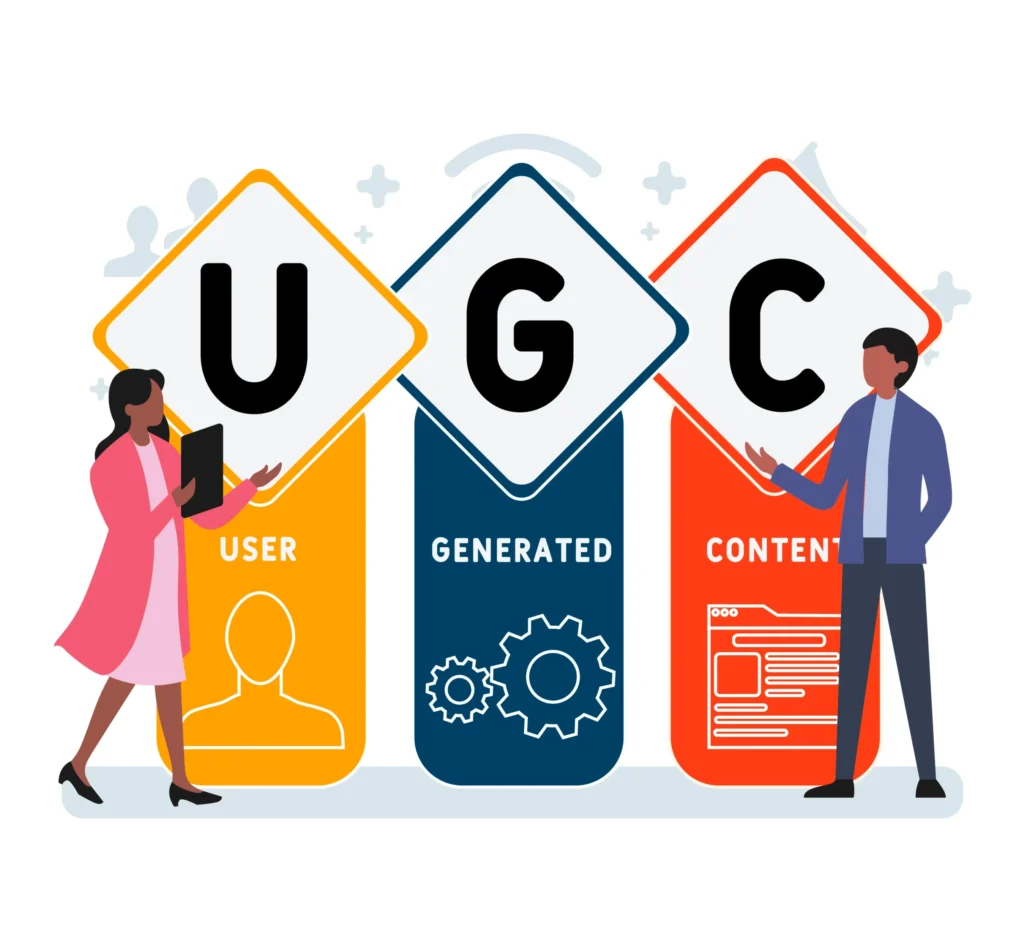
Harnessing the Power of User-Generated Content: A Complete Guide for Modern Brands
User-generated content (UGC) is transforming how brands reach their consumers. With real voices and authentic experiences, UGC fosters trust while also increasing engagement and brand loyalty. It has the potential to significantly improve ROI by making customers brand ambassadors and producing content that sounds natural. Learn about how MetaLogic Digital assists businesses in unlocking the potential of UGC, developing strategies that are most effective and produce significant outcomes.
AI
Machine Learning and SEO: How AI is Reshaping Search Optimisation
Get ahead of the game and discover how machine learning will be reshaping SEO in 2026. Through research-backed AI-based solutions and practical guidance provided by MetaLogic Digital, small businesses and startups can optimise their search engine positions, increase their online presence, attract high-intent buying traffic, and achieve long-term, sustainable digital growth in competitive markets. In this blog, we will discuss AI-powered SEO, which will revolutionize search rankings, how automation integrates with SEO, and how businesses can utilize AI to stay ahead in the ever-competitive digital landscape.
SEO
The Future of SEO in the USA: What’s Changing in 2025
Search engine optimisation (SEO) in the USA is entering a bold new era. What once worked—stuffing keywords, chasing backlinks, and relying on exact-match domains -doesn’t cut it anymore. In 2025, the rules of the game are changing fast. Google’s algorithms are more intelligent. There are more acute user expectations. And with AI-generated content flooding the web, standing out requires more than just optimisation; it demands authenticity, authority, and user-first thinking. So, what exactly is changing in the future of SEO? And how can businesses adapt before they fall behind? How about getting to know the major trends which will shape the future of search engine optimisation in the US, and how your brand can stay ahead.
Google Updates
Google Algorithm Updates: History & Latest Updates
Understanding the evolution of Google’s algorithm is not only meaningful but also empowering for digital marketers, SEO professionals, and content creators alike. Google’s frequent algorithm updates, sometimes accompanied by major overhauls, can significantly impact the search engine results pages (SERPs). These updates are not random, but strategic, aiming to enhance the user experience, eliminate spammy content, and ensure that the most relevant and authoritative information ranks highest. By understanding these changes, you can adapt your strategies and stay ahead of the game. In this blog, we’ll explore the historical timeline of major Google algorithm updates, how they’ve changed SEO strategies over the years, and the critical need for marketers to stay updated with the latest core updates in 2025. In the fast-paced world of SEO, staying updated is not just a good practice; it’s essential for success.
E-commerce
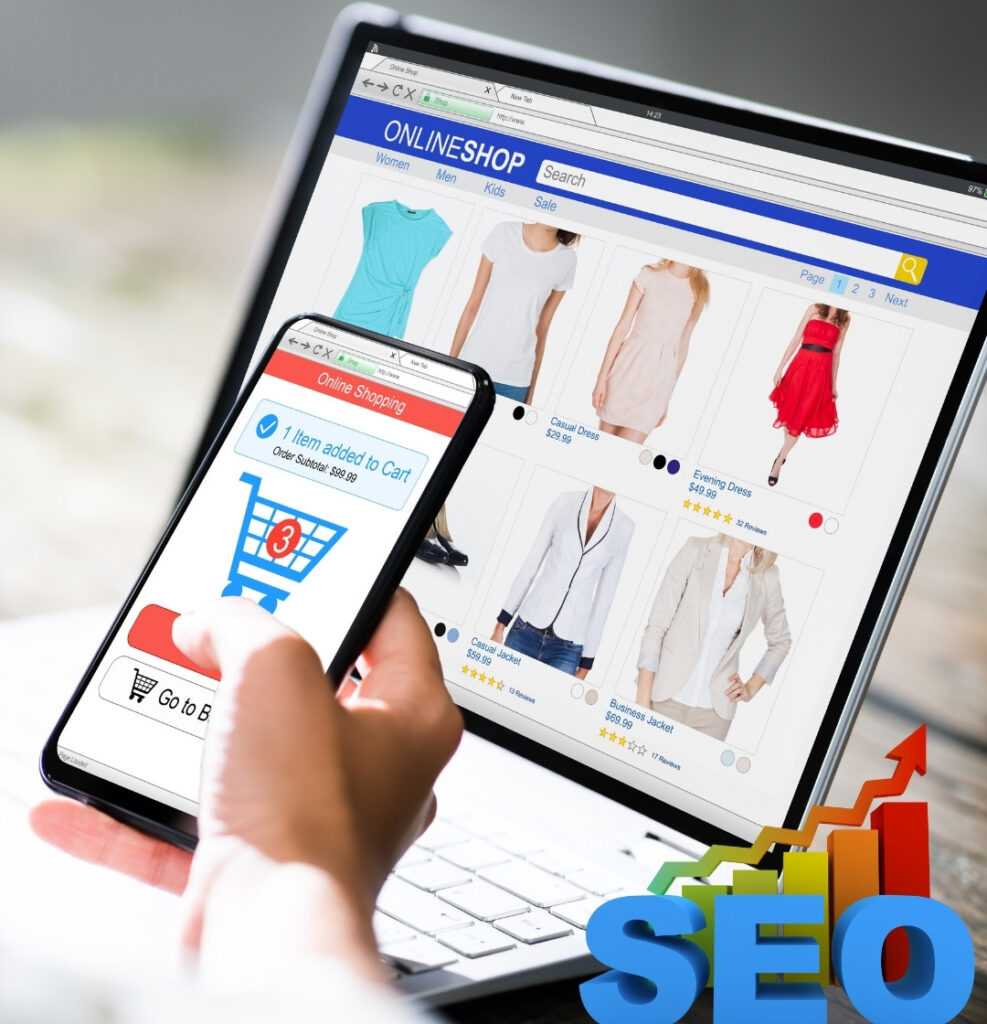
How to Improve SEO for Your Ecommerce Website: Proven Tips & Strategies
In the current digital economy, a professionally designed online store is just not enough. If customers don’t discover your products through search engines, your e-commerce site could be “invisible” to potential customers. This is where e-commerce SEO comes in. Taking the necessary e-commerce SEO steps can lead to organic traffic, conversions, and sales. This guide will include everything from technical SEO for e-commerce sites to on-page SEO for e-commerce, so you’ll end up with the perfect e-commerce SEO checklist to achieve search engine success for 2025.

AI
AI & Automation: The Ultimate Game-Changers for Digital Marketers
The virtual marketing industry is evolving rapidly, and artificial intelligence (AI) and automation are emerging as game changers. AI is changing the art of engaging customers with marketing campaigns, from personalized content recommendations to predictive analytics. AI-enabled tools give marketers a competitive edge, drive efficiency, and enhance customer experiences. In this blog, we’ll explore AI-powered marketing strategies that can revolutionize digital marketing efforts, enhance customer experiences, and drive business growth. Whether you want to improve efficiency, enhance ROI, or streamline manual processes, AI in marketing automation is the key to staying ahead of the competition.

AI
AI & Automation: The Ultimate Game-Changers for Digital Marketers
The virtual marketing industry is evolving rapidly, and artificial intelligence (AI) and automation are emerging as game changers. AI is changing the art of engaging customers with marketing campaigns, from personalized content recommendations to predictive analytics. AI-enabled tools give marketers a competitive edge, drive efficiency, and enhance customer experiences. In this blog, we'll explore AI-powered marketing strategies that can revolutionize digital marketing efforts, enhance customer experiences, and drive business growth. Whether you want to improve efficiency, enhance ROI, or streamline manual processes, AI in marketing automation is the key to staying ahead of the competition.



Get Started with MetaLogic Digital!
Yogendra Ravi
CEO / CO - Founder / Growth Strategist

Check Our Projects
Get started
Response time: 1 hours